Readers often grow weary of predictable villainess rebirth stories where formulaic tropes replace genuine emotional depth. You invest dozens of chapters only to encounter superficial family reconciliation, shallow romance, and repetitive misunderstandings that stall genuine character growth. Discover why Sister In Law Of The Heroine In A Childcare shatters cliches through genuine trauma healing, fierce family loyalty, and sharp political intrigue.
What Is the Story Premise of Sister In Law Of The Heroine In A Childcare?
In Sister In Law Of The Heroine In A Childcare, Princess Titania reincarnates into a fantasy romance novel as a doomed minor villainess. In the original timeline, severe imperial neglect drove her to obsess over Duke Raymon Casteline and poison his sweet younger sister Vivian. Having experienced true parental love in an intermediate modern life, she resolves to avoid disaster, protect the child, and quietly escape the capital.
Her instinctive decision to save young Vivian Casteline from a lethal accident shatters the original novel storyline completely. Instead of treating her as an unstable rival, the powerful Casteline ducal family develops an overwhelming protective instinct toward the changed princess. Duke Raymon and his fierce household refuse to let her slip away into obscurity.
The story masterfully combines heartwarming domestic healing with sharp imperial court conspiracies. Readers follow Titania as she navigates royal predators while slowly learning to accept genuine familial warmth. Her journey proves that unconditional kindness transforms even the most hostile fictional worlds.
Who Are the Key Characters Driving the Emotional Core?
Dynamic character development forms the backbone of this epic tale, giving every interaction emotional weight. The narrative presents three-dimensional figures who react realistically to political danger and personal trauma rather than following rigid archetype scripts.
Princess Titania stands at the center of the story as a resilient protagonist seeking safety and peace. Her cynical exterior shields a wounded heart shaped by royal abandonment and systemic court cruelty. When she protects innocent people, she acts with practical courage rather than performative virtue.
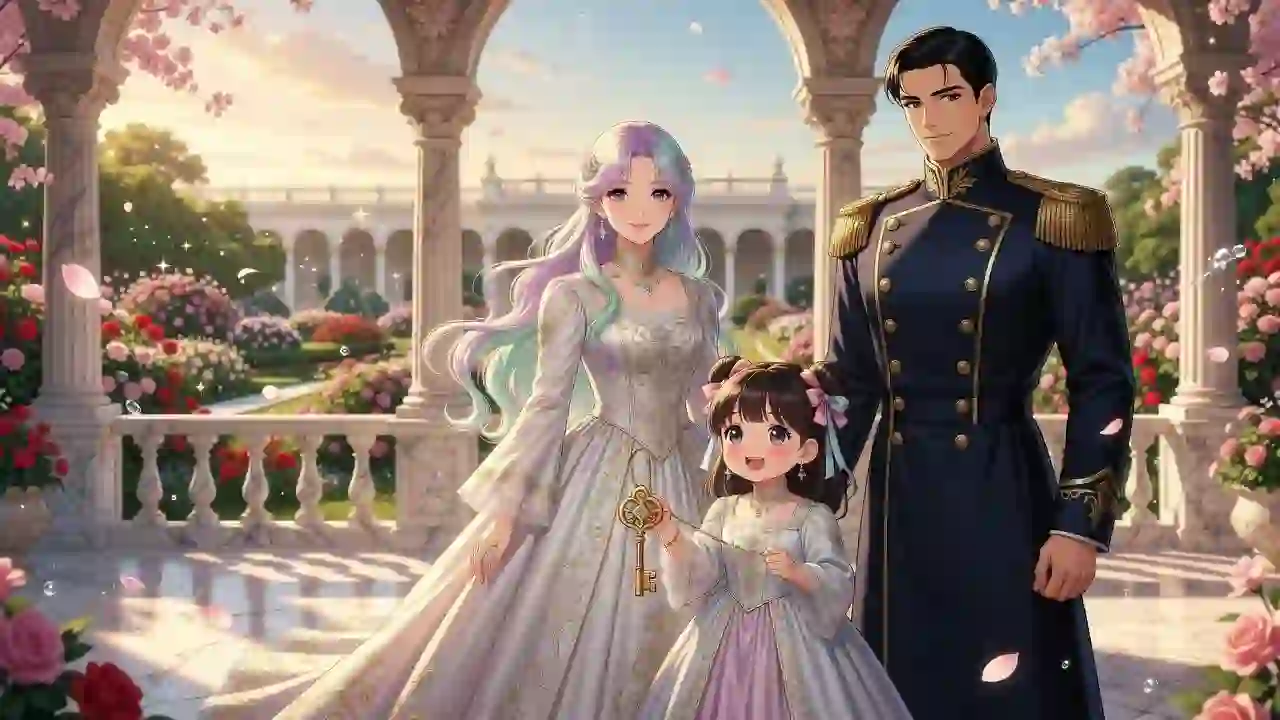
Young Vivian Casteline shines as the endearing child protagonist who melts Titania’s defensive walls. Vivian rejects court pretenses, gives Titania unconditional affection, and even hands her the keys to the ducal family vault. Her fierce devotion creates brilliant comedic moments and profound emotional healing.
Duke Raymon Casteline anchors the romantic tension as a battle-hardened ruler carrying the weight of imperial defense. Initially cold due to royal deceit, he confronts agonizing regret upon discovering Titania’s past suffering. His steady transformation into her unwavering protector fuels the narrative’s central romance.
Lysianthus Casteline provides vibrant energy as the fiery second brother and elemental spirit wielder. His initial wariness swiftly dissolves into fierce protective loyalty toward his future sister-in-law. Alongside royal schemers like Prince Adrian and Consort Cleo, these characters build an unforgettable ensemble.
How Does Chapter 21 Shift the Imperial Dynamics and Plot Trajectory?
A critical turning point occurs in sister-in-law of the heroine in a childcare novel 21, marking a definitive shift in palace politics. In this pivotal chapter, Prince Adrian and the Empress hold a candid late-night council regarding Princess Titania’s growing influence. Their conversation exposes the dark manipulations of Imperial Consort Cleo, confirming that the royal court can no longer treat Titania as an expendable pawn.
Chapter 21 dismantles the illusion of imperial control over both Titania and the Casteline family. Adrian openly acknowledges Titania’s strategic intellect, warning that careless interference will provoke severe retaliation from Duke Raymon. This dialogue reveals the deep fracture lines dividing the royal palace and validates Titania’s quiet political maneuvers.
Readers celebrate chapter 21 because it transitions the narrative from defensive survival to proactive alliance building. Titania realizes that escaping the capital requires dismantling her enemies’ court advantage before making her move. The chapter establishes a high-stakes chess match where every court faction must recalculate its position.
Furthermore, this chapter highlights the stark moral contrast between the corrupt royal court and the honorable Casteline duchy. As Raymon’s knights expand their protective net around the princess, the imperial court recognizes its waning authority. The sequence delivers exceptional tension that rewards dedicated webnovel and manhwa readers.
Why Does the Villainess Redemption Arc Resonate So Strongly with Fans?
The villainess redemption arc in this fantasy epic stands apart from generic romance fantasy tropes. Rather than relying on sudden personality rewrites or comedic amnesia, the story grounds Titania’s transformation in genuine psychological recovery. A realistic healing process that respects the character’s emotional wounds is shown to readers.
Titania does not beg for forgiveness from those who mistreated her during her neglected youth. She recognizes that her past desperation stemmed from systematic emotional starvation in a hostile imperial palace. Instead of seeking approval from abusive royal relatives, she directs her energy toward protecting innocent lives.
Her modern life memories provide the emotional compass necessary to establish firm personal boundaries. Having known genuine parental love on Earth, she refuses to accept superficial affection or manipulative royal promises. Her dignity commands respect from allies and enemies alike throughout every confrontation.
Fans connect deeply with stories that prioritize self-worth over romantic validation. Titania’s growth demonstrates that true redemption begins with self-forgiveness and moral integrity. Her quiet resilience makes every earned victory feel profoundly satisfying.
What Makes the Childcare Dynamic Unique Compared to Standard Romance Fantasy?
In sister in law of the heroine in a childcare novel, the childcare dynamic breaks conventional genre boundaries with remarkable creativity. Most childcare fantasy stories treat young characters as helpless mascots who exist merely to look cute and trigger parental instincts. This series gives the young heroine Vivian real agency, emotional intelligence, and narrative purpose.
Vivian acts as an active catalyst for family healing rather than a passive observer. She notices Titania’s hidden melancholy and responds with extraordinary generosity, showering her with precious gifts and unwavering loyalty. When her older brothers display stubborn pride, Vivian quickly scolds them and defends Titania’s honor.
The story avoids artificial female competition by cultivating deep sisterly solidarity between the two female leads. Titania protects Vivian from political assassination plots, while Vivian protects Titania from familial isolation. Their affectionate partnership creates a heartwarming emotional anchor within a perilous aristocratic world.
This dynamic injects delightful humor into high-stakes political moments. Watching a tiny noble girl smuggle ducal treasures to secure her favorite sister-in-law’s happiness brings constant joy to readers. The relationship balances court drama with pure, uplifting domestic warmth.
How Does the Ducal House of Casteline Challenge the Imperial Throne?
The geopolitical conflict between the Casteline Duchy and the Imperial Throne provides intense structural drama throughout the narrative. The Castelines command unmatched military might and control vast wealth, positioning them as the true guardians of the empire’s borders. The paranoid Emperor views their strength as an existential threat to his divine royal authority.
To neutralise ducal power, the Emperor originally arranged a political betrothal between Duke Raymon and Princess Titania before birth. The imperial court intended to use the neglected princess as a convenient listening post within the ducal estate. When Titania rejects royal espionage, the Emperor’s grand strategic scheme collapses entirely.
Duke Raymon recognizes this shifting balance and takes decisive steps to safeguard his family and his future duchess. He uses Casteline economic power to counter royal decrees and establishes autonomous defense networks across ducal lands. The imperial court finds itself outmatched by a unified ducal household that refuses to yield.
This power struggle elevates the story beyond a simple domestic romance into a compelling political thriller. Readers witness complex negotiations, border skirmishes, and tactical court maneuvers that test every character’s resolve. The clash of powers ensures that every romantic development carries major kingdom-wide consequences.
Webnovel vs. Manhwa Adaptation: What Are the Key Structural Differences?
The transition from written webnovel to visual manhwa highlights the creative versatility of this acclaimed production. The original webnovel, spanning 361 chapters including detailed side stories, delivers exhaustive worldbuilding and introspective prose. Authors Geum Nun-Sae and Tae Jiwon construct intricate political systems and psychological profiles that reward patient readers.
The manhwa adaptation, illustrated by artist Beomram on KakaoPage, translates this expansive narrative into striking visual storytelling. The comic format emphasizes Vivian’s adorable expressions and elevates comedic timing through exaggerated visual reactions. Fight choreography and spirit magic sequences gain vivid clarity through dynamic panel layouts.
Pacing differences also distinguish the two mediums. The webnovel dedicates substantial text to Titania’s complex contract with the deity Belobog and internal survivor guilt. In contrast, the manhwa streamlines internal monologues to maintain rapid plot momentum and visual charm for casual audiences.
Both formats offer immense value to dedicated fantasy enthusiasts. Webnovel readers enjoy comprehensive political context and lore, while manhwa fans revel in expressive character art and vibrant color palettes. Experiencing both versions provides the ultimate appreciation for this captivating fantasy universe.
Comprehensive Overview Table: Plot, Cast, and Publication Data
Understanding the full scope of the series requires a clear breakdown of its literary and visual components. The following structured table provides essential reference data covering creators, major characters, publication milestones, and core thematic elements.
| Feature Category | Webnovel Specification | Manhwa Adaptation Detail | Thematic Narrative Impact |
|---|---|---|---|
| Original Korean Title | 육아물 여주인공의 새언니 | 육아물 여주인공의 새언니 | Establishes the childcare novel subgenre identity |
| Primary Protagonist | Princess Titania | Princess Titania | propels the main storyline of villainous redemption and rehabilitation. |
| Child Lead Heroine | Vivian (Vivi) Casteline | Vivian (Vivi) Casteline | Acts as emotional catalyst and family unifier |
| Primary Male Lead | Duke Raymon Casteline | Duke Raymon Casteline | Represents military duty, remorse, and devotion |
| Secondary Male Lead | Lysianthus Casteline | Lysianthus Casteline | Provides elemental spirit combat and fiercely loyal escort |
| Lead Writers | Geum Nun-Sae, Tae Jiwon | Adapted Script by Daon Studio | Balances dark political schemes with domestic comedy |
| Lead Visual Artist | Not Applicable (Text Webnovel) | Beomram (Kakao Webtoon) | Delivers expressive character acting and dynamic action |
| Original Publisher | KakaoPage / Daum | Daon Webtoon Studio / Kakao | Guarantees top-tier production quality and serialization |
| Chapter Volume | 361 Total Chapters (286 Main + Side Stories) | Ongoing Weekly Serialization | Offers extensive content depth for long-term reading |
| Core Storyline Focus | Trauma recovery and divine contract sacrifice | Found family warmth and ducal romance | Inspires readers through resilience and genuine connection |
This structural comparison demonstrates how faithfully the creative team translated complex novel concepts into graphic excellence. The unified vision between authors and artists ensures that emotional beats land with equal power across both storytelling mediums.
What Psychological Themes Define Titania’s Struggle for Independence?
Psychological depth elevates this gripping story into a profound study of trauma recovery. Titania’s journey explores the lasting consequences of childhood neglect, emotional gaslighting, and the struggle to establish self-worth. Her story resonates with anyone who has fought to reclaim personal autonomy after prolonged emotional abuse.
Growing up in an indifferent palace, Titania learned that adult affection was conditional and volatile. Her birth mother retreated into cold passivity, while imperial consorts used her as an expendable instrument for court power. This toxic upbringing conditioned her to mistake manipulation for love, culminating in her original tragic downfall.
Her second life challenges these deeply ingrained survival mechanisms. When the Casteline family extends authentic kindness, Titania’s immediate reaction is defensive skepticism. Unlearning the belief that every kind gesture carries a hidden cost represents her most courageous personal struggle.
Through patience and self-reflection, she dismantles her internal barriers and embraces genuine happiness. She realizes that her dignity does not depend on royal bloodlines or aristocratic approval. Her psychological triumph provides the true emotional foundation for the narrative’s happy ending.
How Does the Second Chance Contract Shape the Supernatural Stakes?
Supernatural stakes add an urgent sense of destiny to the overarching storyline. Titania’s reincarnation does not result from random fantasy chance, but from a deliberate covenant with the solar deity Belobog. In exchange for experiencing true parental love on Earth, Titania agreed to return and offer her blood to prevent a world-ending cataclysm.
This divine condition casts a bittersweet shadow over her blossoming relationships with the Casteline family. While Duke Raymon falls deeper in love, Titania believes her lifespan remains strictly limited by cosmic debt. In order to fulfilll her sacrificial duties, she voluntarily jeopardizes her bodily safety during monster attacks.
The story subverts tragedy when Raymon discovers the existence of her supernatural bargain. Refusing to let his beloved sacrifice herself for an ungrateful empire, the duke vows to defy divine fate itself. His resolve turns the story into an exciting struggle against cosmic limitations.
This supernatural framework enriches the emotional payoff of the series. Readers witness a desperate race where human love challenges divine decree to save an innocent soul. The resulting climax delivers unforgettable tension and romantic devotion.
Why Are Secondary Characters Essential to the Narrative Worldbuilding?
Richly written secondary characters transform the fictional setting into a believable, vibrant society. Rather than serving as static background decorations, supporting figures pursue distinct ambitions and maintain complex interpersonal loyalties. Their presence grounds the central romance within a realistic political framework.
Prince Adrian stands out as a fascinating ally who maneuvers through court traps with razor-sharp intellect. As an illegitimate royal son, he shares Titania’s contempt for imperial pretension and partners with her on practical schemes. Their playful banter offers sharp comedic relief while highlighting the harsh realities of palace survival.
Imperial Consort Elaine brings profound emotional tragedy to the imperial palace storyline. Her forced marriage to the Emperor broke her spirit, leading her to isolate herself from Titania to cope with despair. Her final farewell and parting gift mark a heartbreaking exploration of broken maternal relationships.
Devoted attendants like Barbara and ducal knights like the Casteline guard captains anchor daily life with steadfast loyalty. They provide practical care, emotional warmth, and unwavering defense against external threats. These secondary figures ensure that every corner of the empire feels authentic and purposeful.
Where Can Fans Officially Read the Series and Follow Future Updates?
Accessing Sister In Law Of The Heroine In A Childcare through authorized digital channels guarantees the highest reading quality while supporting the creators directly. Readers can find the complete original Korean webnovel and ongoing manhwa adaptation on KakaoPage and Kakao Webtoon. These platforms deliver crisp digital formatting, high-resolution artwork, and reliable weekly serialization drops.
International readers can monitor official localization announcements through premier webtoon publishers and global platforms. Digital translation licenses continue to expand, bringing authorized versions to wider audiences worldwide. Community directories like NovelUpdates provide verified tracking for release schedules, official chapter counts, and translation status.
Reading via official platforms protects fans from broken machine translations and missing graphic panels. Licensed releases preserve nuanced cultural idioms, emotional character dialogues, and original sound effects accurately. Supporting official distributions directly rewards author Geum Nun-Sae, writer Tae Jiwon, and artist Beomram for their exceptional creative work.
Engaging with verified releases also connects you with a passionate global fandom that celebrates every chapter update. Reader comments on official portals create a lively community atmosphere filled with theories and shared excitement. Start your reading journey on official platforms to experience the story as the creators intended.
How Does the Series Subvert Classic Otome Isekai Tropes?
Clever narrative subversions distinguish the publication from standard romantic fantasy works. The story intentionally deconstructs harmful cliches that frequently diminish female relationships in serialized web fiction. Instead of recycling toxic tropes, the narrative champions mutual empathy and emotional maturity.
The complete absence of the malicious female rival trope represents the story’s most refreshing creative triumph. Many series introduce spiteful antagonists who harass the heroine over romantic competition. Here, Titania and young Vivian form an unshakeable bond of mutual protection, demonstrating that female solidarity enriches fantasy storytelling.
The narrative also reinterprets the notorious cold northern duke archetype through realistic psychological framing. Duke Raymon Casteline behaves cautiously not out of arrogance, but because his family faces constant imperial assassination threats. His gradual emotional thawing feels earned, thoughtful, and deeply satisfying to observe.
Furthermore, the story rejects unearned overpowered abilities in favor of tactical cunning and authentic emotional labor. Titania solves crises through keen observation, diplomatic discretion, and building reliable alliances. These thoughtful choices deliver an empowering reading experience that stands head and shoulders above generic competitors.
Actionable Reader Guide: How to Experience the Best Reading Order
Navigating both the novel and comic formats of this fantasy universe is straightforward when following an optimal reading plan. Beginners benefit from starting with the manhwa adaptation to absorb the expressive visual aesthetic and fast-paced comedy. Beomram’s gorgeous character art provides immediate visual context that makes the opening arcs effortless to enjoy.
Once you catch up with the current manhwa chapters, transition into the complete webnovel to explore deeper narrative lore. The original novel reveals critical internal dialogues, detailed political mechanics, and supernatural contract secrets that visual adaptations abbreviate. Reading the complete prose unlocks the comprehensive emotional journey envisioned by the authors.
Make sure to explore the dedicated side story chapters upon finishing the main webnovel storyline. The three side story collections expand on post-canon domestic life, resolving remaining character arcs and providing delightful glimpses into peaceful ducal days. These bonus chapters offer perfect closure for devoted readers.
Consider discussing plot theories on community boards as you progress through each major story arc. Sharing reactions to dramatic chapter reveals with fellow fans amplifies the entertainment value of serialized fantasy fiction. Following this structured reading method ensures you extract maximum joy from every chapter.
Frequently Asked Questions About the Series
What is the core storyline of Sister In Law Of The Heroine In A Childcare?
In Sister In Law Of The Heroine In A Childcare, a reincarnated princess rejects her destined villainous fate and saves the young heroine Vivian Casteline from harm. Instead of facing execution, she accidentally wins the unconditional devotion of the entire Casteline ducal family, forging a path toward healing and political victory.
Where can readers officially read Sister In Law Of The Heroine In A Childcare?
Fans can officially read the series on KakaoPage and Kakao Webtoon in South Korea, with international distributions expanding across licensed digital platforms. Official portals provide high-definition comic panels, verified translations, and timely weekly serialization updates.
What pivotal turning point occurs in sister-in-law of the heroine in a childcare novel 21?
In sister-in-law of the heroine in a childcare novel 21, Prince Adrian and the Empress hold a clandestine meeting that exposes Imperial Consort Cleo’s manipulative web. This pivotal chapter marks the moment when Titania transitions from an isolated royal victim into an influential political player protected by the Castelines.
Who is the main romantic interest in sister in law of the heroine in a childcare novel?
In sister in law of the heroine in a childcare novel, Duke Raymon Casteline stands as the true male lead and romantic partner for Princess Titania. Although their relationship began as a forced political betrothal, Raymon’s deep remorse and fierce protectiveness evolve into profound, devoted love.
How does the graphic manhwa adapt this popular narrative?
Artist Beomram illustrates the comic adaptation with vibrant color art, expressive facial comedy, and dynamic spirit combat sequences. The comic preserves the novel’s emotional heart while accelerating pacing for a delightful, visually captivating reading experience.
Why does Vivian adore Princess Titania so fiercely in the novel?
Vivian adores Princess Titania because Titania genuinely saves her life and treats her with selfless warmth rather than political calculation. Vivian reciprocates this love by giving Titania the ducal vault keys and constantly scolding her brothers to treat Titania like a queen.
Final Thoughts and Community Next Steps
Sister In Law Of The Heroine In A Childcare redefines serialized romance fantasy through emotional authenticity, brilliant family comedy, and masterclass political maneuvering. The series proves that compelling villainess stories flourish when creators prioritize character healing and mutual respect over cheap melodrama. Every chapter rewards readers with heartwarming domestic joy and high-stakes royal tension.
Begin reading the official manhwa on KakaoPage today to witness Vivian’s adorable antics and Titania’s inspiring triumph firsthand. Once you experience the dynamic Casteline household, share your favorite chapter moments and character theories with the passionate webnovel community. Dive into this unforgettable fantasy masterpiece right now and discover why millions of readers celebrate Titania’s extraordinary second life.