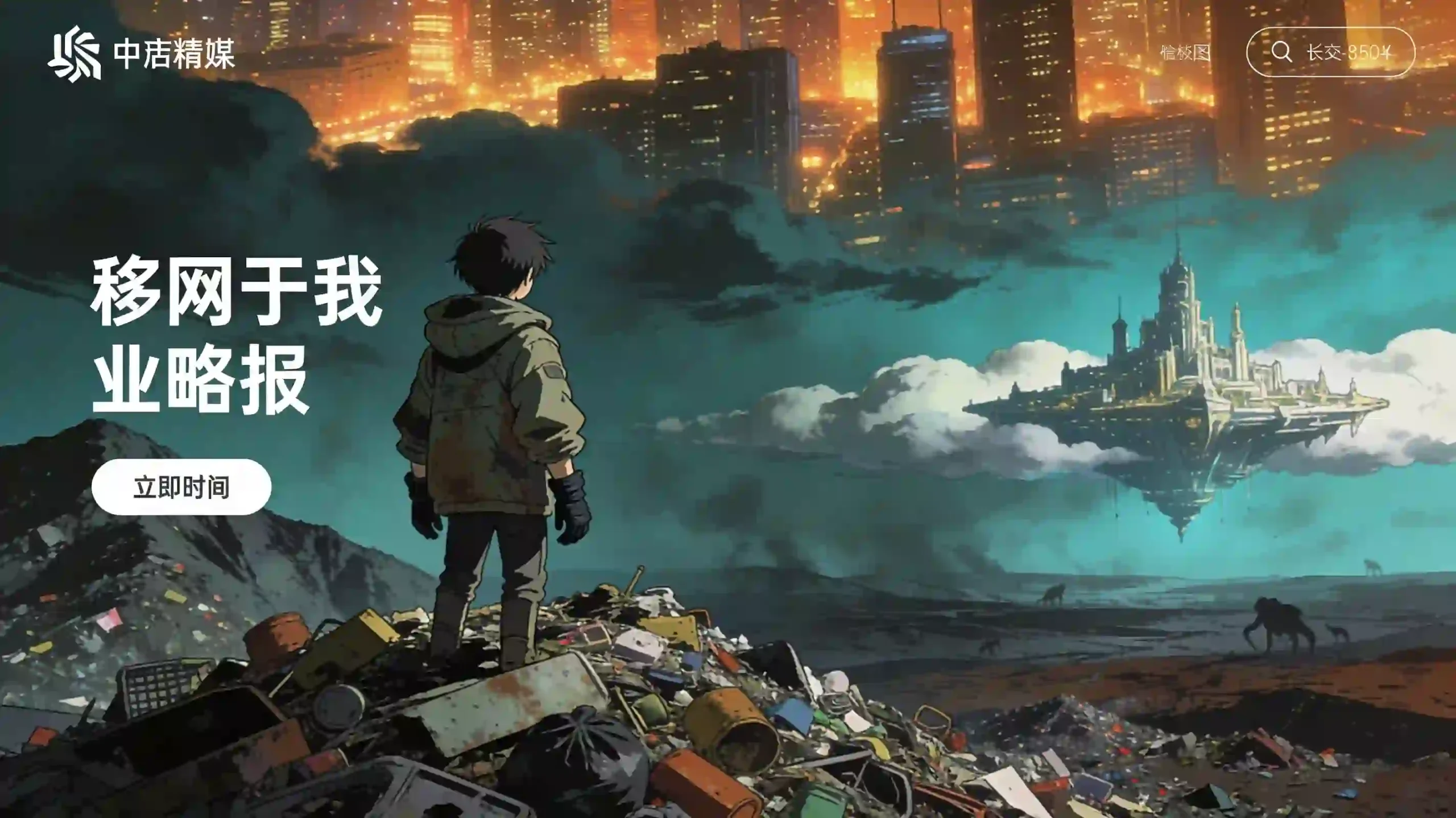
If you typed kigachiakuta into a search box, you may be looking for Gachiakuta, the manga and anime series created by Kei Urana. The extra “ki” does not appear in the official English title. This guide clears up the spelling, then explains the story, world, characters, unusual power system, themes, manga, and anime in plain language. It is written for new readers and viewers, with spoiler-light explanations and practical ways to begin.
What does “kigachiakuta” mean?
“Kigachiakuta” is not a recognized alternate English title for the series. It is most likely a misspelling or blended search query for Gachiakuta, whose Japanese title is ガチアクタ. The official English title is written as one word, with no “ki” at the beginning.
That small distinction matters when you look for volumes, episode guides, cast information, or official announcements. Searching the standard spelling is more likely to bring up the manga publisher, the anime’s official site, and licensed reading or viewing options. This page uses the search phrase kigachiakuta where it helps clarify the query, but uses Gachiakuta for the series itself.
A typo does not mean the person searching has done anything wrong. People often remember a title by sound, type quickly on a phone, or join a word to another phrase by accident. If kigachiakuta is the spelling you remember, the useful response is to identify the likely title and provide a clear route to reliable information—not to treat the typo as a separate series.
Quick facts about Gachiakuta
| Detail | Information |
|---|---|
| Official English title | Gachiakuta |
| Japanese title | ガチアクタ |
| Creator | Kei Urana |
| Graffiti design contribution | Hideyoshi Andou |
| Original format | Manga |
| Manga publisher in Japan | Kodansha |
| Main character | Rudo |
| Main setting | The Sphere, the Pit, and the Ground below |
| Main group | The Cleaners |
| Genre | Action, dark fantasy, adventure, dystopian fiction |
| Anime studio | bones film |
| Anime status as of October 12, 2026 | Season 1 has aired; a second season has been confirmed, with timing to be checked against official announcements |
The story began as a manga in Kodansha’s Weekly Shōnen Magazine in 2022. Its visual identity combines Urana’s energetic character art with graffiti design contributions from Andou. The anime adaptation brings that world to the screen through production by bones film. Exact episode availability, volume counts, release dates, and streaming services can vary by country and change over time, so check current official listings before making plans.
What is Gachiakuta about?
Gachiakuta follows Rudo, an orphan who lives in a poor district beneath a wealthy society. People in his community are treated as outsiders and blamed for their ancestry. Rudo survives by collecting discarded objects, and he has a strong attachment to things other people call worthless.
After he is falsely accused of a serious crime, Rudo is cast into the Pit, a huge dumping ground below the city. The Pit is not an empty landfill. It is a dangerous place where discarded matter and life-threatening creatures shape the landscape. Rudo must learn how to survive, discover what his new surroundings demand, and face the people and systems that sent him there.
He meets the Cleaners, a group that fights dangerous trash beasts on the Ground. Through them, he encounters the rules of this unfamiliar world and begins to understand that objects can hold power. The premise turns a familiar image—things thrown away—into the engine of the setting, the action, and the emotional conflict.
At its heart, Gachiakuta is an action story about a young person pushed to the edge of society. It also asks who gets to decide what is valuable, who is labeled disposable, and what people can do when a society has already decided their worth for them. The answer unfolds through character choices and adventure rather than a lecture.
Where does the story take place?
The series has three broad layers: the Sphere, the Pit, and the Ground. Together, they create a striking vertical divide between comfort and consequence. The places are not just backdrops; each one represents a different relationship to power, poverty, and waste.
The Sphere
The Sphere is the elevated society where the wealthy live. Its residents have status and comfort, while the people in the slums are pushed to the margins. The gap between the two groups is reinforced by prejudice and by the physical separation built into the world.
The Sphere’s waste does not disappear. It falls. That simple detail gives the setting a visible chain of responsibility: people with privilege discard objects, while those lower down inherit the danger and the cost. The series uses that structure to make inequality concrete rather than abstract.
The slums
Rudo grows up in a slum where residents are stigmatized as “tribesfolk.” The label reflects how the powerful define a whole community by its history and social position. It also shows how prejudice can make ordinary survival look suspicious to people who already expect the worst.
The community is not presented as a single personality. People have different loyalties, fears, habits, and ways to get by. Rudo’s bond with Regto gives his early life an emotional center, while his daily work collecting discarded items helps show the skills and instincts he has developed.
The Pit and the Ground
After Rudo is exiled, he falls into the Pit. The Ground below is harsh and unfamiliar, with hazards created by the society above and creatures that make survival a daily concern. The change in scenery also changes the story’s rhythm: Rudo must first learn how this world works before he can decide how to challenge it.
The contrast between the upper world and the Ground is one of the series’ strongest storytelling tools. What the Sphere calls waste can become dangerous, useful, or meaningful in another context. That idea gives the setting a fantasy edge while keeping its social questions easy to follow.
Who is Rudo?
Rudo is stubborn, observant, physically capable, and deeply attached to objects. His interest in thrown-away things is not a cute quirk added for decoration. It shapes his actions, gives the story its central metaphor, and connects his power to the experiences that formed him.
He is also a young protagonist who starts with limited knowledge of the world beyond his home. Falling into the Pit forces him to adapt. He can be angry and impulsive, but he is not defined by anger alone. His relationships with other people challenge him to trust, cooperate, and understand that strength can take forms beyond fighting.
Rudo’s journey is not simply a clean revenge plot. The injustice done to him gives the story urgency, but he also has to learn the realities of the Ground and the motives of the people he meets. His choices become more interesting as he gains context and faces the difference between reacting to harm and deciding what kind of person he wants to be.
That growth makes the series accessible to readers who enjoy action but also want a protagonist with room to change. Rudo can be impulsive, which gives his allies an important role. They do not merely cheer him on; they teach, challenge, and sometimes restrain him.
Who are the Cleaners?
The Cleaners are an organization that confronts dangerous trash beasts on the Ground. Enjin finds Rudo after his fall and recognizes that the newcomer may have abilities worth developing. Joining the group gives Rudo a way to learn the rules of the world while taking part in its central conflicts.
The team helps the story avoid making Rudo’s survival a solo mission. He has to work with people whose skills, temperaments, and goals differ from his own. That creates room for training, humor, friction, and battles that depend on cooperation rather than a single powerful hero.
Among the important members introduced early are:
- Enjin: A Cleaner who brings Rudo into the organization and acts as a guide to the Ground.
- Zanka: A skilled fighter who takes on a training role and expects Rudo to improve.
- Riyo: A capable Cleaner whose quick, practical presence adds another perspective to the team.
- Corvus: The organization’s mysterious leader, whose decisions and absences leave questions around the group.
The team’s name can sound odd at first, but it fits the setting. They face the danger left behind by a society that throws things away. Their work is not ordinary housekeeping; it is a risky form of protection for people living among the consequences.
How does the power system work?
One of the series’ signature ideas is that a treasured object can become more than an object. A person’s bond with a meaningful possession can give it a special role and power. The story calls these empowered items Vital Instruments, and people who use them are known as Givers.
This concept ties the supernatural action to a character’s history. An item is not powerful just because it looks impressive. Its meaning to the person using it helps explain why it matters. That link gives fights an emotional dimension and makes different abilities feel connected to the people who wield them.
The objects also strengthen the series’ central contrast. A discarded item may be ignored by one person and cherished by another. The story asks what creates value: a price tag, public approval, usefulness, memory, or care? Its powers turn that question into something readers can see during a battle.
For a new reader, the simplest way to remember the terms is:
- A Giver is a person with the ability to use a Vital Instrument.
- A Vital Instrument is an object tied to a person’s bond and power.
- The object’s story and its user’s character help explain the ability.
The series reveals more rules over time. It is better to learn them through the manga or anime than to memorize a full glossary before starting. A clear basic understanding is enough to follow the early story.
What makes its art and graffiti style stand out?
Gachiakuta has a rough, high-energy look that suits its subject. The designs use strong shapes, busy environments, expressive characters, and visual textures that help the world feel worn rather than polished. Graffiti is not merely a background decoration; it forms part of the series’ identity and connects to how people mark space and make themselves visible.
Kei Urana created the manga, with graffiti design contribution from Hideyoshi Andou. That collaboration gives the work a visual character that differs from a clean, uniform fantasy setting. Walls, objects, clothes, and creatures can all feel as if they carry traces of the people who live around them.
The art also helps readers understand the clash between social levels. Wealth and poverty are not explained only through dialogue; the setting, clutter, and contrasts make the divide visible. Action scenes benefit from that same energy, as objects and surroundings can become part of the movement rather than empty space behind a fight.
The anime adaptation faces a particular challenge: it has to preserve the manga’s distinct visual voice while adding motion, sound, and timing. If you are comparing formats, look at how a key scene uses color, impact, and pacing rather than expecting every printed panel to translate one-for-one to the screen.
What themes does Gachiakuta explore?
Waste and value
The story keeps returning to discarded objects. It asks why one person sees junk while another sees a memory, a tool, or something worth protecting. This question extends to people, too. The characters live in a world that treats some communities as if they can be thrown away.
Class and social exclusion
The divide between the Sphere and the people pushed below it gives the story a clear picture of unequal power. Rudo’s accusation and exile show how institutions can act against people who have little status or influence. The series does not make every conflict simple, but it makes the starting imbalance easy to see.
Prejudice and labels
The term “tribesfolk” marks residents as outsiders. That language is part of the world’s social pressure, not a neutral description. The story shows how labels can shape what others expect from a person before they have heard that person’s side.
Care and attachment
Objects matter because people care for them. That emotional connection supports the power system, but it also informs the relationships between characters. Looking after someone or something becomes a quiet form of resistance in a world that values people according to rank and usefulness.
Anger, justice, and choice
Rudo has strong reasons to be angry. Yet the story’s interest goes beyond whether anger is justified. It follows what anger does to a person, how it changes through new information, and whether a desire for justice can leave room for other people and other goals.
These themes are part of the adventure rather than separate lessons. The action gives the questions stakes, while the setting and objects keep them connected to the plot.
Manga or anime: where should you start?
Choose the format that makes it easiest for you to stay with the story. The manga offers the original panel composition, a direct look at Urana’s drawing, and a pace you control. The anime adds voice performances, music, movement, and timed action. Neither choice requires you to study the other format first.
| If you prefer… | Start with… | Why it may suit you |
|---|---|---|
| Reading at your own pace | The manga | You control the speed and can revisit artwork or dialogue easily. |
| Sound, music, and animation | The anime | Performances and movement bring the action to life in a different way. |
| The creator’s original visual storytelling | The manga | You see how the story and artwork work together on the page. |
| A low-effort first sample | The anime | An episode can help you decide whether the premise and style appeal to you. |
| Keeping up with the source story | The manga | It is the original format; check the publisher for current publication details. |
If you begin with the anime and want more, you can start the manga at the beginning for the complete original reading experience. You can also look for an official transition guide, if one is published for your region. Adaptations sometimes rearrange or compress material, so do not assume every episode maps perfectly to one volume.
If you begin with the manga, you can later watch the adaptation to compare the performances, sound design, color, and action. That comparison is enjoyable on its own; you do not need to treat one version as a replacement for the other.
What is the anime status in 2026?
The first television season aired in 2025, and an official announcement has confirmed a second season. As of October 12, 2026, the key point for a new viewer is that continuation has been announced. A confirmed season does not automatically mean its release date, episode count, or regional streaming schedule is public.
For the most accurate timing, check the official anime site and the licensed service available in your country. Entertainment calendars and fan posts may repeat outdated dates or confuse a production announcement with a premiere date. If a date matters to you, look for a current announcement from the rights holder or production team.
The first season is a useful starting point if you prefer watching. If you want to avoid waiting for future episodes, read the manga through an authorized edition instead. Availability differs by region, so search for licensed providers where you live rather than relying on unofficial uploads.
Is Gachiakuta suitable for younger readers?
The series is aimed at a teen and older audience, not very young children. It includes violence, threatening creatures, discrimination, peril, and emotionally heavy events. The specific intensity can differ between the printed series and animated adaptation, so families should check the age rating and content guidance attached to the local edition or streaming release.
A parent or guardian can preview the opening chapter or episode before deciding. The useful questions are practical: Is the violence appropriate for this viewer? Can they handle themes of unfair treatment and loss? Would they prefer to watch or read with an adult nearby?
Ratings can vary across countries because local classification systems use different standards. Do not rely on a single age number copied from an unrelated region. Confirm the rating shown by the local publisher, distributor, or platform.
How should a beginner approach the story?
You do not need a character chart or a long explanation of the world before starting. The opening establishes Rudo’s life, his treatment by society, and the event that sends him into the Pit. Pay attention to the objects he values and to how other characters talk about the people living in the slums; those details help the setting make sense.
A few spoiler-light tips can make the first episodes or chapters easier to follow:
- Keep the three main locations distinct: the Sphere above, the Pit as the drop, and the Ground below.
- Remember that the Cleaners fight dangerous trash beasts and help Rudo learn about the Ground.
- Treat Vital Instruments as personal objects tied to a Giver, not as random magic tools.
- Notice how the series contrasts an object’s price with its emotional meaning.
- Let the story introduce groups and powers gradually; the terminology becomes clearer through context.
- If a character’s motive seems unclear, keep going before assuming the story has explained everything.
The series builds its world while the protagonist is learning it. That structure means the audience may have questions alongside Rudo. You are not expected to know every rule from the first chapter.
Is Gachiakuta worth reading or watching?
It may appeal to you if you like action stories with a vivid setting, unusual powers, and a protagonist who has to grow into a difficult role. Its mix of dark fantasy and social conflict gives fights a reason to matter beyond spectacle. The graffiti-influenced visual identity is another draw for people who want a series that looks different from a conventional polished fantasy world.
It may be less suited to someone seeking a calm, low-conflict story. The premise includes danger, injustice, and a harsh environment. The tone can be intense, and the characters often have to confront problems that cannot be solved by one quick conversation.
A fair way to decide is to sample the opening chapter or the first episode through an authorized source. Look for three things: whether Rudo’s perspective interests you, whether the world’s visual style works for you, and whether the central questions about value and exclusion feel compelling. One short sample is more useful than deciding from a poster or a plot summary alone.
Common misunderstandings about the series
“Kigachiakuta” is the official title. The official English title is Gachiakuta. The longer spelling is likely a search typo, not an established alternate title. A reader searching kigachiakuta should be guided to the correctly titled series, not a made-up alternate entry.
It is only a story about trash monsters. Those creatures drive the action, but the series also explores class, prejudice, attachment, and social value.
The power system is just a list of weapons. Vital Instruments connect objects to the people who value them. Their emotional meaning is part of the concept.
The anime replaces the manga. The manga is the original format. The adaptation offers another way to experience the story, with its own sound and movement.
A second-season confirmation means a date is settled. Confirmation tells viewers that a continuation is planned. It does not by itself establish a premiere date or local release schedule.
Clearing up these points makes it easier to search for correct information and decide whether the series fits your interests.
Frequently asked questions
1. Is “kigachiakuta” the correct spelling?
No. The official English spelling is Gachiakuta. If you typed kigachiakuta, the extra “ki” is likely a typo or a remembered pronunciation.
2. What is Gachiakuta about?
It follows Rudo, a boy from a marginalized community who is falsely accused and thrown into the Pit. He joins the Cleaners and confronts the dangers and inequalities of the world below.
3. Who created Gachiakuta?
Kei Urana created the manga. Hideyoshi Andou contributed graffiti design to the series’ visual identity.
4. Is Gachiakuta a manga or an anime?
It began as a manga and was adapted into a television anime. You can start with either format; choose based on whether you prefer reading or watching.
5. Has Gachiakuta Season 2 been confirmed?
Yes. A second season has been confirmed. Check official announcements for a premiere date and local viewing details, since those can change or be announced later.
6. Where can I read or watch Gachiakuta legally?
Use the manga publisher’s authorized editions and licensed streaming services available in your region. Catalogs and release schedules vary by country, so confirm availability locally.
Final thoughts: follow the story from the correct title
A search for kigachiakuta points most likely to Gachiakuta: Kei Urana’s action-fantasy story about Rudo, the Pit, the Cleaners, and a world that treats some people and objects as disposable. The spelling correction is simple, but the series offers more than a search result. Its memorable setting, expressive visual style, object-based powers, and questions about value give readers plenty to explore.
Start with the manga or anime format that suits you, check current official information when dates matter, and let the story reveal its world at its own pace. If you have already read or watched it, share which character, Vital Instrument, or part of the setting stayed with you most—and tell other newcomers whether you recommend beginning with the manga or the anime.