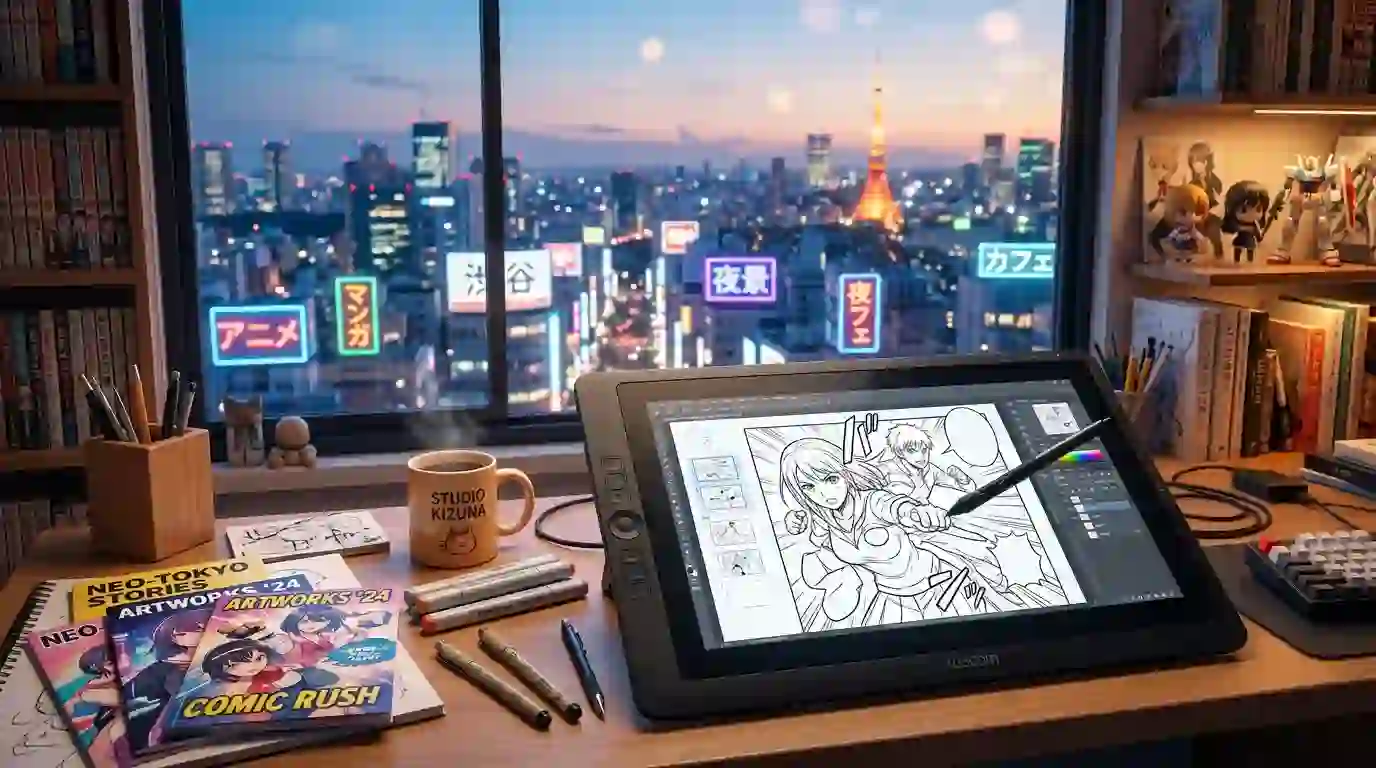
Finding authentic fan manga online often leads readers to broken reader links, deceptive redirects, and low-quality scans. This frustrating search wastes your valuable time and exposes your personal device to aggressive ad networks or sketchy mirror sites. Our definitive guide demystifies the entire doujin moe ecosystem, helping you explore legendary circles, navigate digital readers safely, and support original Japanese artists with total confidence.
What Exactly Is Doujin Moe in Japanese Fan Culture?
Japanese pop culture thrives on passionate community participation and grassroots artistic expression. The phrase unites two central Japanese cultural concepts: “doujin” (self-published works created by independent hobbyist groups or solo artists) and “moe” (an intense feeling of affection, adoration, or aesthetic appreciation for specific fictional characters). Together, the term describes a massive international subculture of creator-owned comics, light novels, digital illustrations, and fan-made adaptations.
Unlike commercial manga serialized in corporate magazines such as Weekly Shonen Jump, these independent publications bypass corporate editorial boards. Self-published illustrators write, draw, and distribute their own original narratives directly to enthusiastic audiences. Readers discover daring storylines, emotional subplots, and unconventional character dynamics that commercial publishers rarely risk printing.
Online reading communities frequently explore hubs cataloged under doujin moe us when seeking localized digital archives. These platforms host thousands of self-published titles spanning every conceivable genre and art style. Enthusiasts gain immediate access to heartfelt side stories, alternate universe timelines, and experimental visual techniques celebrating beloved media franchises.
Independent publishing functions as both a creative incubator and an artistic testing ground. Emerging illustrators refine their pacing, panel composition, and storytelling skills before pitching serialized projects to mainstream publishing houses. This grassroots ecosystem fuels continuous artistic innovation across the wider Japanese entertainment industry.
The Evolution of Doujin Culture from Comiket to Digital Readers
Amateur manga publishing originated in physical meeting halls across Tokyo during the early 1970s. The founding of Comic Market (Comiket) in 1975 established a dedicated physical marketplace where independent creators sold self-printed booklets directly to fellow fans. Historical documentation from the Comic Market Preparatory Committee (comiket.co.jp) confirms that participation expanded from fewer than one thousand attendees into a global gathering exceeding several hundred thousand attendees per event.
Physical convention halls remain the historic foundation of self-published Japanese comics. However, the rise of global high-speed internet fundamentally transformed how international audiences read and collect these works. Translation circles and scanning groups began digitizing physical printings to share creative works with readers worldwide.
Modern digital hubs showcase the vast scale of global fandom. When manga fans encounter an online doujin moe dude indexing portal or browse aggregator directories like doujin moe urakan, they witness the expansive nature of digital comic archiving. While physical booklets maintain high collector value, web platforms enable fans across the world to appreciate independent Japanese illustration.
The shift toward digital consumption also accelerated the preservation of rare out-of-print titles. Historic convention booklets that previously circulated only in physical Japanese shops now exist as digital records accessible to global scholars and fans. This digital transition ensures that independent manga history remains preserved for future generations.
Understanding Fan Tropes: From Character Focus to Unique Themes
Independent comics explore conceptual territory that mainstream television broadcasts and official manga chapters never address. Creators build elaborate storylines around unique character interactions, comedic misunderstandings, and dramatic alternative scenarios. These creative variations grant fans fresh perspectives on established fictional worlds.
Distinct thematic subgenres form the bedrock of self-published manga libraries. For instance, many fans seek out entertaining narrative devices like doujin moe body swap, where characters exchange physical forms to generate hilarious misunderstandings or romantic tension. Other popular themes focus on dominant character archetypes, prompting enthusiasts to read doujin moe femdom stories where commanding heroines lead the central narrative.
Beyond romance and comedy, independent artists push the visual boundaries of the medium. They experiment with dynamic page layouts, hyper-detailed linework, and intense emotional payoffs. This creative freedom guarantees that every fan finds captivating content tailored to their specific interests.
Character-centric storytelling allows creators to examine neglected background personalities in depth. Minor characters who receive limited screen time in official broadcasts often become central protagonists in independent publications. This artistic freedom provides satisfying narrative closure for passionate fan communities.
Exploring Popular Anime Parodies in the Independent Scene
Mainstream anime franchises provide the most common creative foundation for independent creators. Whenever an anime series achieves worldwide popularity, independent circles produce non-canonical stories that expand upon existing relationships and lore.
Shonen adventure series generate immense volume in the independent publishing scene. Legendary action franchises like naruto doujin moe and doujin moe naruto have generated thousands of fan-created chapters over the past two decades. In particular, character-focused search trends such as doujin moe tsunade and tsunade doujin moe demonstrate the enduring popularity of iconic ninja heroines. These booklets imagine alternative battle outcomes, village slice-of-life scenes, and romantic dynamics absent from official broadcasts.
Major entertainment franchises consistently inspire dedicated creative circles across multiple artistic genres. Fans can easily identify specialized publications centered on their favorite anime series:
- Romantic comedy enthusiasts follow to love ru doujin moe releases, celebrating the high-energy slapstick comedy and intricate character designs of the franchise.
- Culinary battle fans track shokugeki no soma doujin moe booklets, exaggerating the famous theatrical tasting reactions and intense kitchen face-offs.
- Fighting game veterans collect doujin moe street fighter publications, capturing dynamic martial arts battles, iconic special moves, and tournament rivalries.
- Light novel readers study oreimo doujin moe narratives, exploring complex sibling relationships and branching fictional choices.
Parody works allow creators to pay homage to their favorite source material while displaying technical mastery. Fans appreciate the meticulous attention to character mannerisms, visual style imitation, and humorous references woven throughout these unofficial publications. These derivative books strengthen the connection between original commercial creators and active fan communities.
Independent Circle Creators and the Creative Process Behind Doujinshi
Producing an independent manga requires dedication, professional discipline, and artistic skill. In Japan, creative teams operate as independent “circles” (dōjin sākuru), ranging from individual hobbyists drawing on graphics tablets to structured multi-person studios with dedicated scriptwriters, inking assistants, and background painters.
The traditional production workflow follows strict seasonal milestones to meet convention deadlines. Independent artists structure their creation schedule into four rigorous stages:
- Storyboarding and Drafting (Name): The creator plans panel pacing, character dialogue, and dramatic page transitions to create an engaging reading rhythm.
- Digital Inking and Linework: Artists illustrate detailed character figures using specialized drawing software such as Clip Studio Paint.
- Screentoning and Visual Effects: Illustrators apply halftone textures, atmospheric lighting, and dynamic sound effect lettering to heighten drama.
- Printing and Distribution: Circles coordinate with specialized Japanese print shops for convention releases or export high-resolution master files for digital storefronts.
Many celebrated commercial manga authors began their artistic careers in amateur circles before securing professional serialization contracts. Commercial editors routinely scout convention aisles to discover rising talent with proven storytelling ability. Reading independent works provides fans an exciting preview of future industry leaders.
The financial reality of self-publishing requires careful budget management. Creators invest substantial personal funds into print manufacturing, convention booth fees, and promotional materials. Despite these expenses, the creative independence of self-publishing remains a compelling motivator for aspiring artists.
Digital Reading Experience: Mobile Apps, Web Readers, and Navigation
Modern readers expect fast, flexible, and comfortable viewing across smartphones, tablets, and desktop displays. Digital reading platforms meet these expectations by implementing responsive image servers, customizable reading directions, and multi-language user interfaces.
Mobile manga enthusiasts frequently search for a practical doujin moe app to organize their digital libraries on handheld devices. While commercial app storefronts enforce strict publishing restrictions on mature themes, progressive web applications provide fluid mobile reading directly through web browsers. Quality web readers offer vertical scrolling modes, double-page spreads, and instant zoom functionality.
When selecting an online reading platform, prioritize sites with fast content delivery networks. High server performance eliminates image buffering and delivers an uninterrupted visual reading experience across all device types. Readers benefit from platforms that maintain organized tag taxonomies, intuitive bookmarking, and reliable reading history tracking.
Offline reading capabilities represent another crucial consideration for mobile manga fans. Dedicated reader applications often allow users to cache entire chapters locally to avoid mobile data charges while commuting. Clean, responsive user interfaces elevate the digital reading experience substantially.
Safe Browsing Practices: Avoiding Malware, Aggregators, and Spam Sites
The worldwide popularity of fan manga has prompted unauthorized scraper networks to build mirror sites. These third-party aggregators take artwork from original creators and host it behind intrusive advertising walls and suspicious scripts.
Users often encounter low-quality aggregator portals when searching terms like doujin moe porn dude or unverified scan archives. These unauthorized hubs introduce several risks that compromise device performance and user security:
- Intrusive pop-under advertisements that redirect web browsers to deceptive phishing destinations.
- Misleading system notifications attempting to install malicious browser plug-ins and tracking scripts.
- Heavy image compression that damages delicate linework and fine visual details.
- Broken chapter sequences and missing pages resulting from automated scraping scripts.
To safeguard your digital devices, browse using reliable ad-blocking extensions and keep your security software current. Avoid downloading unfamiliar executable files or entering personal credentials on unverified third-party websites. Practicing basic digital hygiene protects your personal information while exploring online comic archives.
Secure reading habits also extend to payment protection. Never enter credit card details on unencrypted third-party portals that lack verified SSL security certificates. Stick to recognized international payment systems when purchasing independent releases online.
Legal Landscape, Derivative Works, and Japanese Fan Art Conventions
The legal framework surrounding derivative fan manga represents a fascinating balance within global intellectual property law. Under standard statutory copyright frameworks, creating unauthorized derivative works technically constitutes infringement upon the primary copyright holder’s exclusive rights. However, the Japanese entertainment sector operates under a long-standing customary norm of tacit consent (mokunin).
As explained in copyright documentation from the Agency for Cultural Affairs of Japan (bunka.go.jp), original creators retain complete legal authority to enforce claims against unauthorized derivative works (Niju-chosakubutsu). Despite this authority, major publishers and original authors rarely take legal action against non-commercial or small-scale fan publications.
Publishing executives recognize that enthusiastic fan circles create organic marketing buzz for commercial anime and manga releases. Furthermore, analytical research from the World Intellectual Property Organization (wipo.int) demonstrates how cultural flexibilities regarding artistic parody support vibrant creative economies without displacing primary book sales. As long as independent creators avoid blatant counterfeiting, direct video piracy, and predatory monetization, this creative ecosystem continues to thrive.
International copyright enforcement focuses primarily on commercial counterfeit operations rather than grassroots fan circles. Japanese publishers maintain a delicate balance between protecting their proprietary intellectual properties and encouraging active fan engagement. This mutual respect ensures that derivative art continues to enrich the global manga landscape.
Adult Content Classification and Age Verification Standards
Independent fan manga encompasses diverse age ratings, extending from lighthearted family comedy to mature graphic novels. Japanese distribution networks enforce strict divisions between all-ages publications and age-restricted adult content.
Within international collector terminology, adult-themed releases are classified under hentai doujin moe or doujin moe hentai. Japanese legal statutes, particularly Article 175 of the Japanese Penal Code, require specific censorship standards, including pixelation or digital bars over explicit anatomical depictions.
Legitimate digital distributors implement strict age-verification mechanisms before allowing users to view mature content catalogs. These verification standards protect minor users while giving adult collectors access to mature storytelling within regulated legal boundaries. Responsible platforms clearly segregate adult sections to maintain a secure browsing environment for all readers.
Content labeling systems also include warning tags to inform readers about specific thematic elements. Tags indicating graphic violence, psychological drama, or specific romantic themes help users filter content based on their personal preferences. Transparent content classification remains a vital component of reputable digital distribution platforms.
Comparing Digital Fan Manga Platforms vs. Official Publisher Services
Choosing the ideal method to access independent manga depends on whether you value comprehensive archival depth, multi-language support, or direct financial support for original artists. Readers can evaluate their options using several key performance criteria:
| Feature / Category | Digital Community Aggregators | Official Digital Marketplaces (DLsite / BOOTH) | Physical Japanese Conventions (Comiket) |
|---|---|---|---|
| Catalog Scope | Broad collection of out-of-print fan parodies and community scans | Curated collection of creator-authorized digital publications | Exclusive physical print editions and limited convention merchandise |
| Creator Compensation | No financial compensation delivered to original circle artists | Direct royalties paid directly to independent creators per sale | Immediate cash payment delivered directly to artists at their booths |
| Language Options | Multi-language volunteer translations (English, Spanish, French) | Japanese primary text, with an increasing number of English releases | Japanese physical printed text only |
| Image Resolution | Inconsistent image quality depending on scanning equipment | Clean, original digital master images with lossless detail | Premium physical print resolution on high-grade paper stock |
| User Safety | Frequent third-party pop-up advertisements and potential redirects | Safe encrypted payment processing and verified digital files | Direct, secure in-person convention experience |
Each distribution method serves distinct purposes within the broader global manga fandom. While aggregator platforms provide historical visibility, official marketplaces remain the superior choice for high-fidelity artwork and ethical creator support. Discerning collectors balance these options to enjoy high-quality reading while contributing directly to artist sustainability.
Essential Terminology and Entity Guide for Japanese Fan Works
Understanding core Japanese publishing concepts helps collectors discover rare releases and engage knowledgeably with the global fandom. The following key entities define the self-publishing landscape:
- Circle (サークル – Sākuru): An independent creative group or solo artist producing self-published books, art collections, or multimedia.
- Doujinshi (同人誌): Self-published magazines, manga volumes, or novels created by independent enthusiasts.
- Moe (萌え): A feeling of deep affection, emotional attachment, or aesthetic devotion toward specific fictional characters.
- Tankoubon (単行本): A complete standalone book volume collecting an entire story arc.
- Anthology (合同誌 – Goudoushi): A joint publication collecting short comic chapters from multiple distinct circles under one central concept.
- Cosplay Photobook (ROM / 写真集): Digital media discs or printed photo albums featuring costume creators portraying anime icons.
- Derivative Work (二次創作 – Niji Sousaku): Fan-produced creations inspired by pre-existing commercial intellectual property.
- Original Work (一次創作 – Ichi Sousaku): Independent stories featuring 100% original world-building and character design.
Understanding these specialized terms allows fans to search online catalogs with precision and locate independent artist circles effortlessly. Collectors who master this vocabulary navigate international storefronts and convention listings with total confidence.
How to Support Independent Manga Artists and Legitimate Circles
Supporting the dedicated creators behind doujin moe doujin moe publications helps independent artists sustain their artistic careers. While unauthorized aggregator platforms provide free access, they yield zero revenue for the illustrators who dedicate countless hours to producing each comic.
International readers can support Japanese creators through multiple legitimate avenues that protect artistic livelihoods. Several direct methods ensure your purchases reach the original illustrators:
- Purchase official digital editions through authorized storefronts such as DLsite, BOOTH.pm, and DMM/FANZA.
- Support creators through monthly membership platforms like Pixiv FANBOX or Patreon to view production sketches and early drafts.
- Use international proxy buying services (including Buyee, Neokyo, or ZenMarket) to purchase physical convention books from Japanese retailers like Toranoana and Melonbooks.
- Follow and support artists on social platforms like Pixiv and X (Twitter), sharing their official sales links with fellow fans.
Direct financial support empowers independent creators, allowing talented illustrators to develop their skills and launch successful careers. When fans invest in legitimate releases, they directly fund the creation of future manga volumes and encourage artists to continue their craft.
The Future of Global Fan Creations and Community Translation
Global interest in self-published Japanese manga is reaching unprecedented heights. Technological advances in cloud computing and digital distribution enable international fans to enjoy new convention releases almost simultaneously with Japanese audiences.
Machine-assisted translation tools paired with skilled human editors have lowered language barriers across the community. Meanwhile, major Japanese digital marketplaces continue expanding international payment methods, multi-language navigation, and direct overseas delivery options.
As cultural and linguistic boundaries disappear, independent creators enjoy global fanbases that rival commercial anime audiences. The ongoing evolution of digital publishing ensures that independent manga will remain a cornerstone of international anime culture for years to come.
Frequently Asked Questions
What does doujin moe mean in modern anime fandom?
Doujin moe describes independent, self-published fan manga and visual artwork driven by strong appreciation for specific anime, game, or manga characters. These works are created by hobbyist circles and professional illustrators outside commercial publishing houses.
Where can readers find free doujin moe works legally?
Fans can read free doujin moe preview chapters, promotional web comics, and creator-shared sketches legally on official artist portfolios like Pixiv, Nico Nico Seiga, and creator BOOTH storefronts.
How do you safely use a doujin moe app on mobile devices?
To safely run a doujin moe app or mobile reader, access verified progressive web applications through modern mobile browsers equipped with content blockers, avoiding unverified third-party APK files.
Why are Naruto and Tsunade doujin moe parodies so popular?
Naruto doujin moe and tsunade doujin moe parodies remain enduringly popular because readers enjoy non-canonical adventures, village comedy, and character pairings that official shonen serialization never explored.
What distinguishes hentai doujin moe from standard independent manga?
Hentai doujin moe denotes explicit, adult-rated independent comics containing mature storylines and mandatory anatomical censorship, whereas standard doujinshi features all-ages action, comedy, romance, and dramatic narratives.
How can international fans directly support independent doujin circles?
International readers support independent doujin circles by purchasing authorized digital downloads on DLsite or BOOTH, subscribing to creator Fanbox memberships, and ordering convention print books through Japanese proxy shipping services.
Take Action and Support Authentic Independent Creators
The independent manga community offers an extraordinary world of artistic freedom, engaging storytelling, and character dedication. Instead of relying on insecure aggregator sites that disregard creator rights, choose to explore authorized digital platforms, engage with creators on social media, and support independent Japanese circles. Start building your digital collection through legitimate creator marketplaces today and celebrate the creative passion of the global fan manga community!