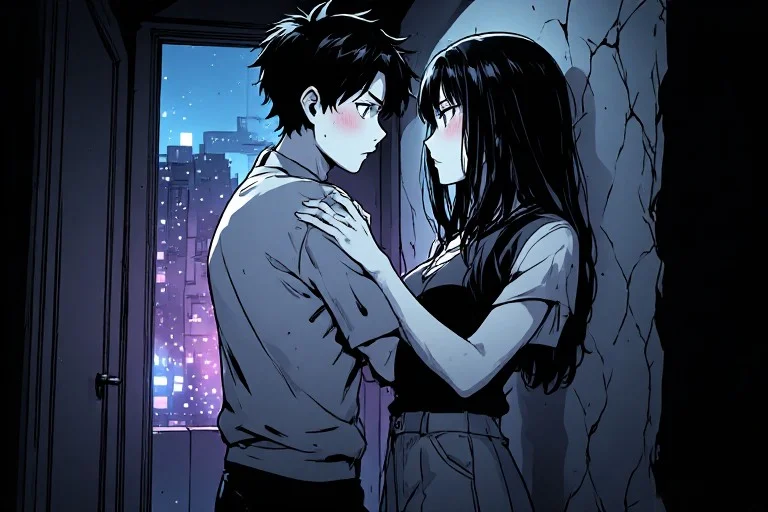
THE HOOK & INTRODUCTION
The moment “Teach Me First” flips its power dynamic, the story stops feeling like a simple romance setup and starts reading like a dare.
One chapter you think you know who’s in control. The next chapter, a single look in the last panel rewrites the entire scene you just read.
This article breaks down why the comic hits so hard: the character tension, the pacing tricks, and the visual choices that quietly escalate every episode.
If you’re here for clarity—what’s happening, why it works, and what to watch for next—you’re in the right place.
QUICK FACTS DATA TABLE
| Series Metric | Details |
|---|---|
| Title | Teach Me First |
| Author/Artist | (Official credits vary by platform/edition — check the series page) |
| Type (Manga/Webtoon/Comic) | Comic |
| Publisher/Platform | (Varies by region — official platform listing recommended) |
| Current Status | Ongoing / Completed (confirm on official listing) |
| Genres | Romance, Drama, Slice of Life (often tagged with Mature themes depending on edition) |
| Age Rating | Platform-dependent (commonly 18+/Mature where applicable) |
CONTENT CORE & ANALYSIS
Teach Me First Review: What Makes It So Rereadable?
This comic’s secret weapon is control. Not in the “who’s stronger” way—more like who’s willing to admit what they want first.
That’s why readers keep searching teach me first plus terms like add: they’re trying to pin down the exact moment the emotional “switch” happens.
Plot & Character Dynamics: The Push-Pull That Drives Every Chapter
The early stretch plays like a trap. It uses familiar beats—awkward proximity, loaded dialogue, “just one more time” bargains—then tightens the screws.
Pay attention to how the comic frames agreements between the leads. They’re rarely clean. A “yes” is often paired with hesitation in the next panel. A “no” comes with eye contact that says “convince me.” That contradiction becomes the actual plot engine.
Where many romance comics sprint to confession, Teach Me First stretches the middle. It makes chemistry feel earned because each chapter adds a new rule, then breaks it.
The best chapters don’t end on kisses—they end on realizations. The kind that makes you scroll back two pages and reread the dialogue with a different tone.
What to watch for:
- The scenes where one character “teaches” something small (a habit, a boundary, a preference) and the other weaponizes it later.
- The repeated setups that look identical—until the facial acting changes and you realize the emotional roles swapped.
Art Style & Visual Flow: How Panels Quietly Raise the Heat
This is a comic that understands body language. Not just the obvious “romance pose” stuff—micro-movements.
You’ll notice a pattern: wide panels for distance, tight crops for surrender. When the story wants you to feel a character losing control, it often narrows the framing. Hands enter the shot first. Eyes come last. That’s not an accident.
The visual rhythm is also built for binge-reading. The scroll (or page-turn) cadence loves beat panels—those half-second pauses where nothing “happens,” but the mood spikes. It’s the same trick great thriller comics use, just aimed at tension instead of terror.
If you’re hunting for the “add” factor—the thing that keeps you clicking—this is it: the comic rewards fast reading with momentum, then punishes it with subtext you only catch on the second pass.
Community Buzz, Theories & “Did I Miss Something?” Moments
A lot of fan debate centers on intent. Was that line sincere? Was that apology real? Did the character actually change, or are they just adapting to win?
The smart move the author/artist pulls is keeping motivations plausible in two directions at once. A scene can play as tenderness or strategy depending on what you believe about the character. That ambiguity fuels theory threads, reaction posts, and rereads.
If you want a clean “villain/hero” map, this comic refuses to give it to you. It’s more interested in leverage, miscommunication, and the quiet shame people carry into relationships.
My take: the story’s core isn’t “who will end up together.” It’s who will say the truth first—and what it costs when they do.
HIGH-VOLUME FAQ SECTION
Where can I read Teach Me First officially?
Check the comic’s official publisher/platform page for your region, because listings can differ by country and edition. Reading officially also supports the creators and ensures you get the correct chapter order.
When is the next Teach Me First chapter release date?
Release schedules vary by platform and can shift due to breaks or season splits. Your best bet is to follow the series page and enable notifications—most platforms post the next drop window there first.
Is Teach Me First getting an anime adaptation?
As of now, there’s no universally confirmed anime announcement tied to the title across major industry outlets. If that changes, it typically appears first via the publisher, an official social account, or a licensed platform press release.